Interview with Jeanne Magram: Taking a Seat at the Table — One Scientist’s Approach to Giving Back
How did you first learn about Student Leadership Network, and what drew you to the organization?
I was living in New York when I heard that a local high school was seeking volunteers for a career day and so glad I took advantage of the opportunity. When I attended my first event with Student Leadership Network, I was struck by the students’ curiosity and the quality of their questions.
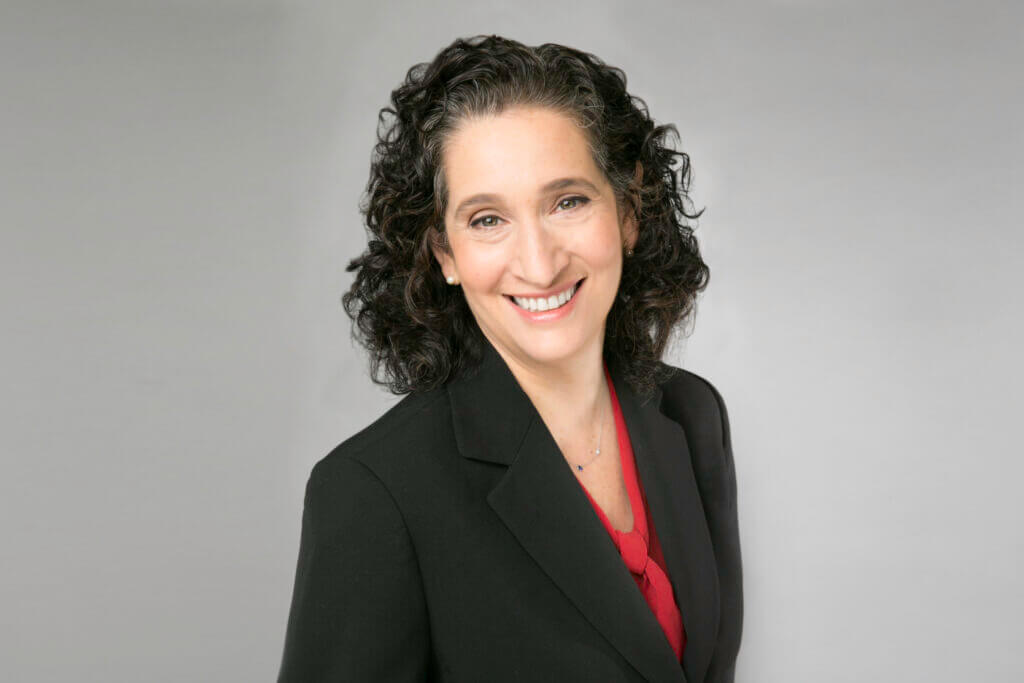
Jeanne Magram
I’ve always believed that exposure and representation are deeply important. I think back to when my children were young and their third grade teacher asked students to draw a scientist. Nearly every child drew a man in a lab coat. That moment stayed with me, because aspiring to be something you’ve never seen is a challenge.
As I learned more about Student Leadership Network, the schools it serves, the college success rates, and the broader programming, it became clear the organization was doing meaningful work to help young people challenge themselves and expand their sense of what’s possible. I knew it was a mission I wanted to support.
Can you speak to your philanthropic philosophy and what you hope your giving will ultimately achieve?
I feel genuinely fortunate to be in a position to give back. When my husband and I established our family fund, we made it a collaborative effort from the start, sitting down with our children to identify the causes that mattered most to all of us.
Education is at the core of our giving. We believe deeply in the power of early access for young students: it opens doors, it shifts mindsets, and it shapes what children believe is possible for themselves. This is what draws us to organizations like Student Leadership Network. Our daughter is a teacher, and her firsthand experience has only strengthened and deepened our commitment to education.
More broadly, our philosophy is about impact, funding organizations doing meaningful work in areas where we believe sustained investment truly moves the needle. Beyond one-time contributions, we’re committed to the causes and communities where we feel we can be most helpful over the long term.
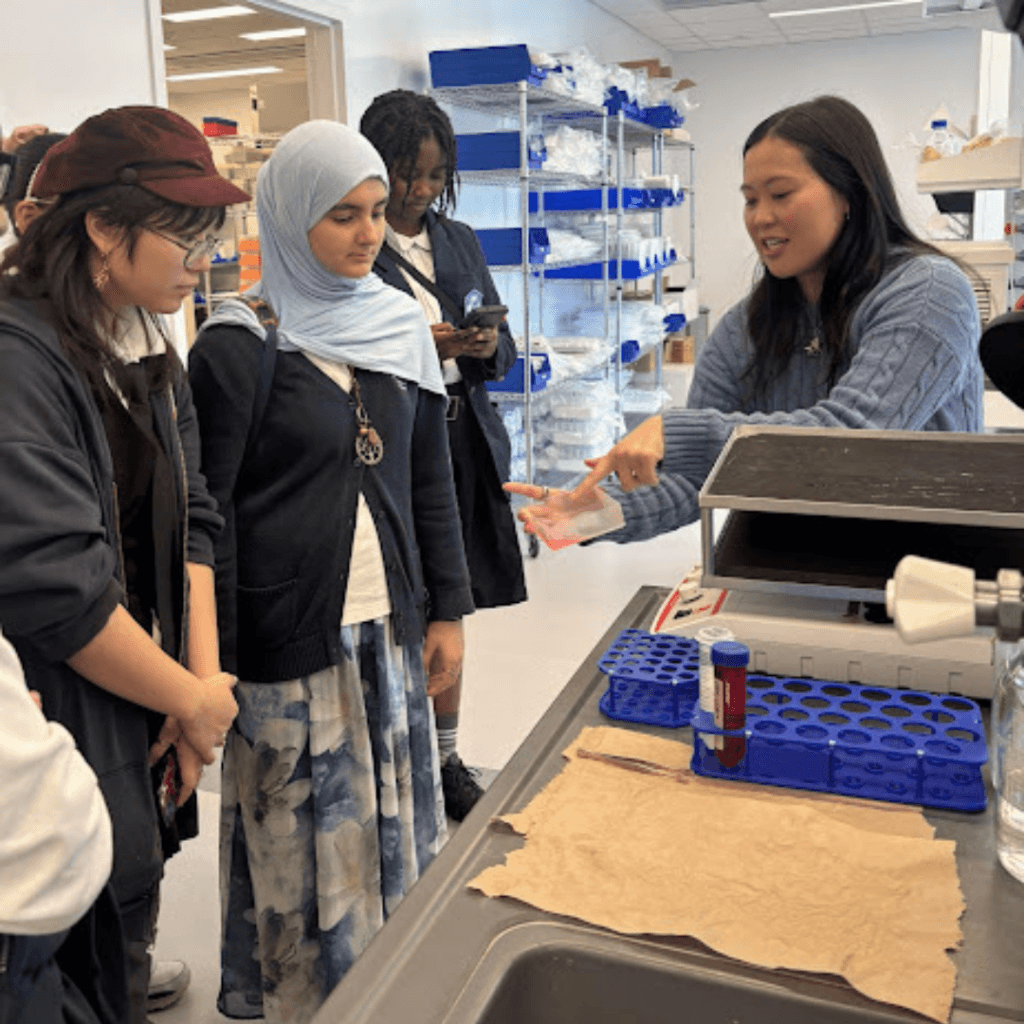
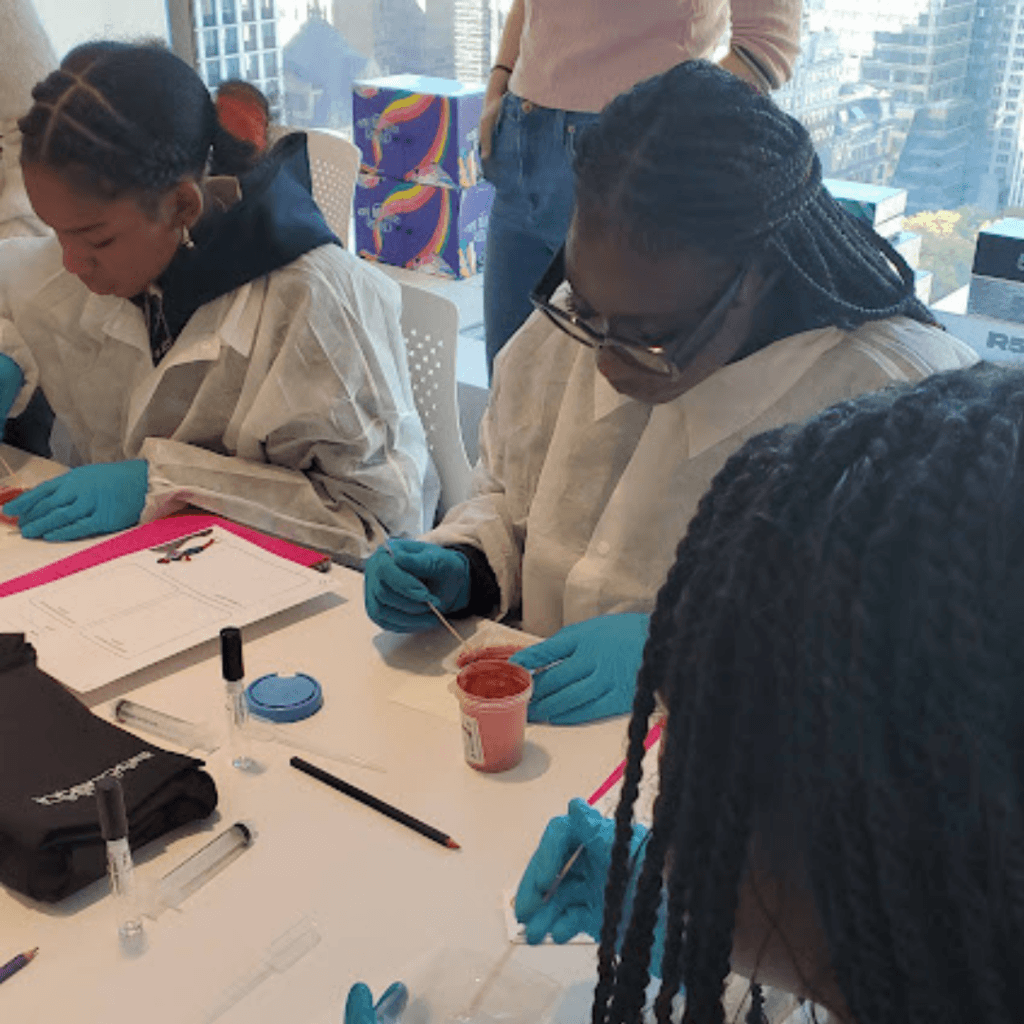
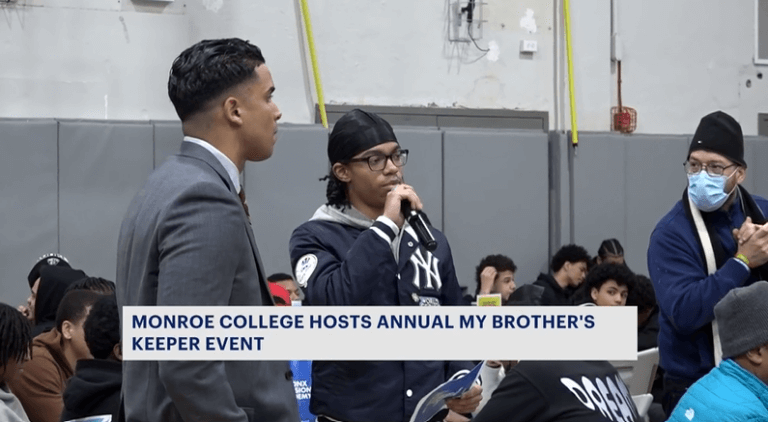
Students at Life Science Cares Day
Was there a particular experience or person that shaped your sense of responsibility to give back?
Honestly, it comes down to an acute awareness of inequity. We feel fortunate and with that comes a sense of responsibility. Philanthropy can feel like an imperfect substitute for the hands-on time I wish I could give, but it is a tangible way to make a difference, and we don’t take that lightly.
The belief that we have both the ability and the obligation to contribute is really at the heart of how we approach giving.
How have you worked to instill your values in your children?
When we established our fund, we asked each of our children to research organizations and make the case for causes they cared about. It was a meaningful exercise, and their input shaped our giving priorities.
Recently, I was seated at a dinner next to someone who described a remarkable family practice, monthly meetings where their grandchildren each research an organization, present their findings, and vote together on where to direct funds. I found that incredibly inspiring. Helping the next generation think carefully and intentionally about where resources go and why, strikes me as one of the most valuable things we can pass on.
What is the best advice you’ve received, and what would you want to share with a young person today?
The advice that has stayed with me most is simple, take a seat at the table. In many of the organizations I’ve been part of, leadership has been predominantly male, and there is an unspoken expectation that you wait and follow others until someone invites you in. But that invitation rarely comes. You have to claim your place, offer your perspective, and engage without waiting for permission. I’ve shared that advice with many people over the years, because I think it speaks to something fundamental about leadership, it isn’t conferred, it’s taken.
The second piece of advice is that leadership means making increasingly consequential decisions without generating all of the detailed information yourself. As you rise, you cannot possibly hold every detail that the people around and below you hold. You have to trust them, empower them to do their work well, and then integrate their input into a clear decision. That is difficult, particularly for scientists who are trained to live in the details. But learning to operate at a strategic level and letting go of the need to micromanage, is essential. And when you do it well, it doesn’t just make you a better leader, it builds trust, creates space for others to grow, and ultimately develops the next generation of leadership. That, in the end, is the goal.